Over the past ten years Africa's media landscape has undergone radical changes. In many countries states no longer have a monopoly on the media either because governments have themselves liberalized their media markets or because citizens have successfully fought for freedom and democracy and a more diverse media sector.
This is especially true for Tunisia and Libya. Despite setbacks, hopes arising from the Arab Spring remain. And in Ghana, Malawi and Kenya, dynamic media landscapes have become the motors for democratization.
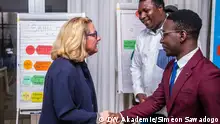
Although many African countries are still ranked at the bottom of press freedom lists, encouraging signs do prevail. Africa is in transition, and DW Akademie is supporting this transition with on-site, long-term projects.
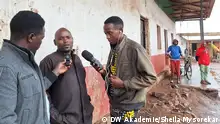
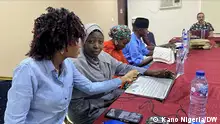
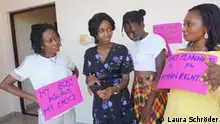
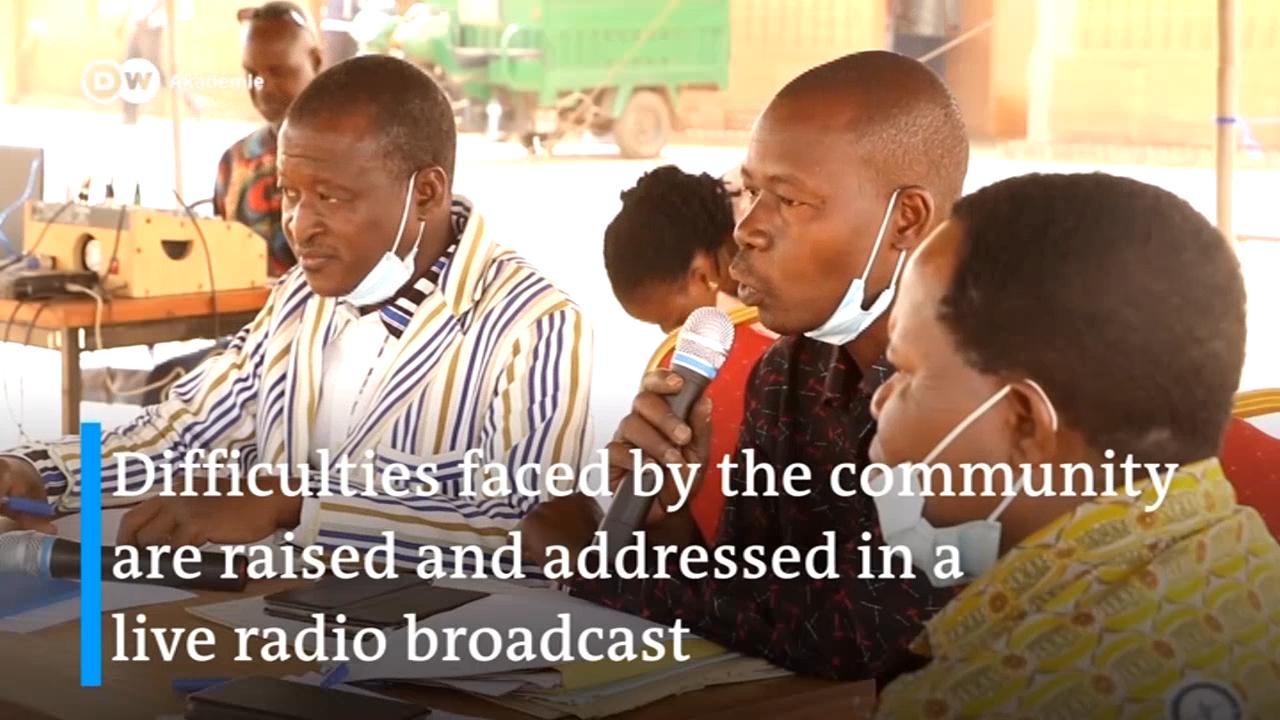
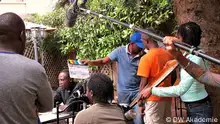
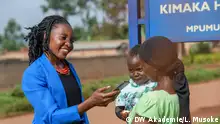
In Ghana, Namibia and Mozambique, for example, our focus is on community media and local radio and TV stations: these offer a voice to people living outside major urban areas and enable them to take part in political debates. We have been active in Tunisia and Libya since the early days of the Arab Spring, training journalists and executives from state broadcasters and private stations as they face the new challenges of a free society. We are also working on modernizing basic and advanced journalism programs so that over the long term, a new generation of well-trained journalists will emerge.
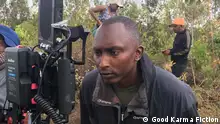
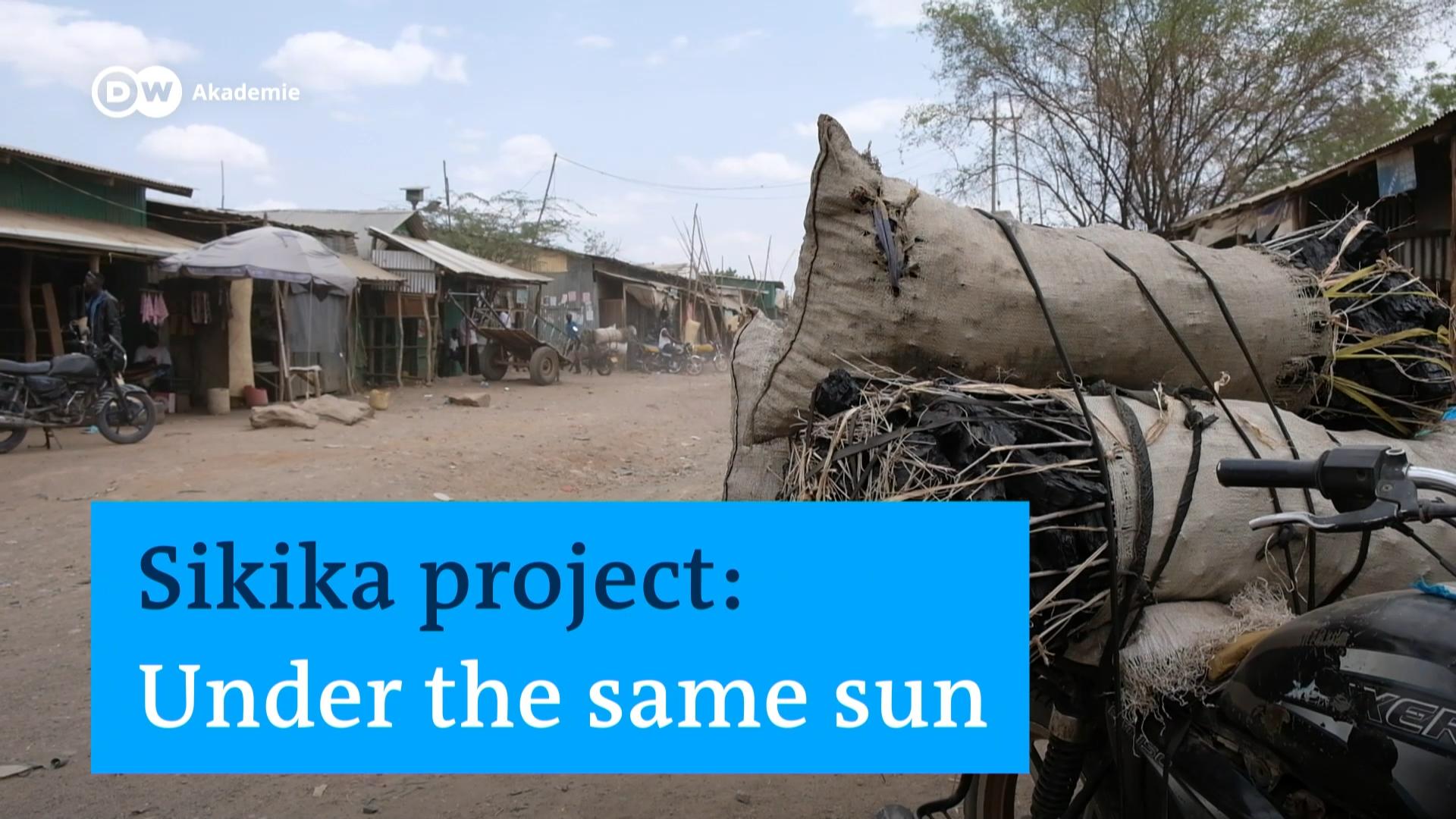
Additional DW Akademie projects that support the modernization of media sectors and freedom of expression can be found in Zimbabwe, Zambia, South Africa, Tanzania, Kenya, Uganda, Rwanda, Burundi, DR Congo, Cameroon, South Sudan, Guinea, Sierra Leone, Niger und Chad. We are also involved in special transregional projects that support the African film industry, for example, or create networks where stations can exchange radio and TV programs designed for children or adolescents.
Acting Head of Africa division
T: +49. 228. 429-3529
T: +49. 288. 429-3537
E: dw-akademie(at)dw.de
Find out about current projects in Africa, journalism tips and progress in media development.